
History of Construction Materials
Exploring the evolution of construction materials unveils a narrative of human advancement and adaptation. From ancient civilizations’ rudimentary methods to the intricate techniques of more recent eras, the construction world has been a canvas for innovation compression testing machine. Each chapter in this historical account reveals not only the physical structures that have stood the test of time but also the cultural and technological influences shaping them. As we journey through the annals of construction materials, we witness a tapestry woven with ancient wisdom, engineering marvels, and the promise of what lies ahead in the ever-evolving field of construction.

Ancient Construction Materials
Throughout ancient civilizations, the meticulous selection and utilization of construction materials played a pivotal role in shaping monumental structures that stand as enduring testaments to human ingenuity and craftsmanship. From the grandeur of the Parthenon in Greece to the intricate stonework of Machu Picchu in Peru, ancient builders demonstrated a profound understanding of their environment and the materials available to them.
In Mesopotamia, the advent of fired bricks revolutionized construction practices, offering a durable and versatile alternative to sun-dried mud bricks universal testing machine for compression test. The Romans perfected the use of concrete, enabling the construction of massive domes and aqueducts that still stand today. In Asia, timber was skillfully employed in intricate joinery techniques to create stunning temples and pagodas.
The preservation of these ancient construction materials is paramount to understanding our shared human history. By studying the techniques and materials used by our ancestors, we can gain insights into the societal values and technological advancements of the past, ensuring that these architectural marvels continue to inspire and educate future generations.
Egyptian Building Techniques
Egyptian building techniques exemplify a sophisticated mastery of materials and craftsmanship that contributed significantly to the creation of iconic structures lasting through the ages. The ancient Egyptians utilized locally sourced materials like limestone, granite, and clay to construct their monumental buildings. Limestone, abundant along the Nile River, was the primary material for most structures. The Egyptians perfected the art of quarrying and shaping stones, creating precise blocks that fit together seamlessly without the need for mortar. This meticulous craftsmanship is evident in the construction of the pyramids at Giza, where massive stone blocks weighing several tons were stacked with incredible precision.
Moreover, the Egyptians developed innovative techniques such as ramp systems to transport and position heavy stones. These advancements enabled the construction of colossal structures like the Great Pyramid, showcasing their engineering prowess. Additionally, the use of mud bricks and wooden beams in lesser structures demonstrated their versatility in adapting to different building requirements. The enduring legacy of Egyptian building techniques lies in their architectural achievements, a testament to the ingenuity and skill of ancient craftsmen.
Roman Concrete Innovations
The legacy of innovative construction materials and techniques continued to evolve with the Roman civilization, particularly in the realm of concrete innovations. Roman concrete, also known as opus caementicium, was a key advancement that revolutionized construction practices. It was composed of a mixture of volcanic ash, lime, and water, which provided remarkable strength and durability to structures. This concrete formulation allowed the Romans to build vast architectural wonders such as the Pantheon and the Colosseum, which still stand as testaments to their ingenuity.
One of the key characteristics of Roman concrete was its ability to develop strength over time through a process known as pozzolanic reaction. This chemical reaction between the lime and volcanic ash created a cohesive and long-lasting material that could withstand the test of time.
Furthermore, the Romans incorporated various aggregates like stones and bricks into their concrete mixtures to enhance structural integrity and reduce the overall weight of the constructions. These innovations in concrete technology laid the foundation for modern construction practices and continue to influence architectural design and preservation efforts today.
Medieval Timber Structures
During the medieval era, timber structures played a crucial role in architectural development, showcasing intricate craftsmanship and sustainable building practices. Medieval timber structures were characterized by their use of oak, chestnut, and other hardwoods, carefully selected for their durability and strength. These structures often featured impressive timber framing techniques such as mortise and tenon joints, creating sturdy and resilient buildings. The intricate designs of medieval timber structures, including elaborate carvings and decorative elements, reflected the craftsmanship and attention to detail of the builders.
One of the key advantages of timber structures during this period was their sustainability. Wood was a readily available resource, making it a cost-effective and environmentally friendly choice for construction. Additionally, timber structures were relatively easy to repair and modify, allowing for flexibility in design and function over time.
Preservation of medieval timber structures is crucial in maintaining these valuable pieces of architectural history. Proper maintenance, including regular inspections, treatment for wood pests, and structural reinforcements, is essential to ensure the longevity of these remarkable buildings for future generations to appreciate and study.
Industrial Revolution Materials
The advent of the Industrial Revolution marked a significant shift in construction materials and techniques, catalyzing advancements that reshaped the built environment. During this era, traditional materials such as timber and stone began to be replaced by new industrial materials like cast iron and early forms of steel. Cast iron, with its strength and versatility, became a popular choice for structural elements in buildings, allowing for taller and more elaborate structures to be constructed. The development of iron and steel production processes, such as the Bessemer process, further revolutionized the industry by making these materials more accessible and affordable.
Additionally, the Industrial Revolution saw the widespread use of materials like concrete, which provided a durable and cost-effective alternative for construction. The invention of reinforced concrete by Joseph Monier in the 19th century further expanded the possibilities of this material, enabling the construction of bridges, buildings, and other structures with increased strength and stability. These advancements in materials during the Industrial Revolution laid the foundation for the modern construction practices that continue to shape the world we live in today.
Modern Steel and Iron
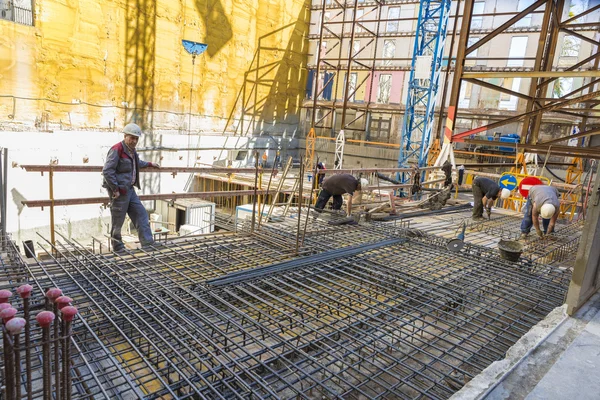
The evolution of modern steel and iron in construction has revolutionized the industry. Steel’s exceptional structural strength and durability make it an ideal choice for high-rise buildings, bridges, and other large structures that require stability and resilience. Iron, on the other hand, is valued for its malleability and ductility, allowing it to be shaped into various forms for diverse construction projects.
Steel’s durability and high tensile strength make it an ideal choice for constructing high-rise buildings, bridges, and other large structures that require stability and resilience.
Iron, on the other hand, is widely used for its malleability and ductility, allowing it to be shaped into various forms and used in diverse construction projects.
Steel’s Structural Strength
Exhibiting unparalleled strength and durability, modern steel and iron have become foundational materials in the construction industry, revolutionizing structural engineering practices.
Steel’s exceptional structural strength arises from its high tensile strength and ductility, allowing for the creation of tall skyscrapers, long-span bridges, and large industrial structures.
The use of steel in construction provides stability and resilience against various environmental factors, including wind, earthquakes, and heavy loads.
Moreover, steel’s consistent quality and uniform properties make it a reliable choice for architects and engineers seeking long-lasting and safe structures.
Iron’s Versatile Applications
Iron, a fundamental component in modern steel production, boasts a wide array of versatile applications across various industries, showcasing its enduring relevance and adaptability in construction and beyond.
In modern construction, iron is used in the form of steel beams, columns, and rebar, providing structural support and stability to buildings and bridges. Its durability and malleability make it a preferred choice for creating long-lasting structures that can withstand harsh environmental conditions.
Beyond construction, iron is essential in manufacturing machinery, vehicles, and appliances due to its strength and heat resistance. The versatility of iron extends to artistic endeavors, where it is utilized in sculptures and decorative elements.
20th Century Innovations
In the 19th century, significant advancements in construction materials transformed the built environment, ushering in a new era of innovation and structural integrity. One of the most notable innovations of this period was the widespread adoption of Portland cement. Developed in the early 19th century, this durable and versatile material revolutionized the construction industry by providing a stronger and more reliable alternative to traditional lime-based mortars.
Additionally, the mass production of bricks and the introduction of steel beams allowed for the construction of taller and more resilient buildings. The use of cast iron also became increasingly common, particularly in the construction of bridges and industrial structures. These materials not only improved the structural integrity of buildings but also contributed to the aesthetic appeal of architectural designs.
Furthermore, the 19th century saw advancements in waterproofing materials such as bitumen and the development of concrete as a viable building material. These innovations laid the foundation for modern construction practices and continue to influence the way buildings are constructed today.
Sustainable Building Materials
During the current era of sustainable building practices, the selection of environmentally friendly materials is paramount to reducing the ecological footprint of construction projects. Sustainable building materials aim to minimize environmental impact throughout their life cycle, from extraction to disposal, by prioritizing renewable resources, energy efficiency, and reduced emissions. Wood sourced from responsibly managed forests, bamboo, cork, recycled metal, and reclaimed materials are popular choices due to their renewability and low carbon footprint.
Additionally, materials like sheep’s wool insulation, straw bales, and recycled plastic offer energy efficiency benefits by improving insulation and reducing the need for heating or cooling. The use of sustainable materials not only reduces environmental harm but also promotes healthier indoor environments by minimizing off-gassing of harmful chemicals.
High-Tech Construction Materials
The evolution of construction materials has led to the introduction of high-tech solutions that offer innovative features and enhanced sustainability.
These advanced composite materials are designed to meet the demands of modern construction projects, providing strength, durability, and environmental benefits.
From smart materials to self-healing concrete, the realm of high-tech construction materials continues to push boundaries in the quest for more efficient and eco-friendly building practices.
Innovative Building Materials
Advancements in construction technology have led to the development of a new generation of high-tech building materials that offer enhanced durability, sustainability, and efficiency in modern architectural projects. Innovative materials such as carbon fiber-reinforced polymers (CFRP), self-healing concrete, and aerogel insulation are revolutionizing the construction industry.
CFRP provides high strength at a fraction of the weight of traditional materials, making it ideal for seismic retrofitting and strengthening structures. Self-healing concrete contains capsules of bacteria that can repair cracks, extending the lifespan of buildings and reducing maintenance costs.
Aerogel insulation, with its high thermal resistance properties, enhances energy efficiency in buildings. These materials reflect a shift towards more durable, eco-friendly, and technologically advanced solutions in construction.
Sustainable Construction Products
In the realm of modern construction practices, a pivotal focus lies on the integration and utilization of sustainable construction products. High-tech materials are engineered to enhance environmental preservation and longevity in architectural projects. These innovative materials include recycled steel, bamboo, engineered wood products, and photovoltaic panels. They offer enhanced durability and energy efficiency while reducing carbon footprints.
Utilizing sustainable construction products not only aligns with environmental conservation goals but also contributes to the overall resilience and longevity of buildings. By incorporating these high-tech materials into construction projects, builders and designers can create structures that are not only aesthetically pleasing but also sustainable and environmentally friendly. This sets a new standard for the future of construction practices.
Advanced Composite Materials
Noteworthy for their exceptional strength and versatility, advanced composite materials represent a cutting-edge innovation in the realm of high-tech construction materials.
These materials are engineered by combining two or more constituent materials to create a superior, unified product with enhanced properties.
Advanced composites often consist of a matrix material reinforced with fibers such as carbon, glass, or aramid. The matrix material provides support and protection to the fibers, enhancing their overall performance.
This results in materials that are not only stronger and lighter than traditional construction materials but also exhibit excellent durability and resistance to corrosion, making them ideal for a wide range of applications in modern construction projects.
Advanced composite materials continue to push the boundaries of construction possibilities, offering sustainable and high-performance solutions for the future.
Future Trends in Construction
With the rapid evolution of technology and the increasing emphasis on sustainability, the construction industry is poised to witness significant shifts in materials, methods, and practices in the near future. One prominent trend is the growing use of sustainable and eco-friendly materials such as recycled steel, engineered wood products, and advanced polymers derived from renewable sources. These materials not only reduce the environmental impact of construction but also offer comparable strength and durability to traditional materials.
Additionally, the integration of digital technologies like Building Information Modeling (BIM) and prefabrication methods is expected to streamline construction processes, improve efficiency, and minimize waste. Robotic automation and 3D printing are revolutionizing on-site construction, allowing for the rapid prototyping of complex structures and customization at a previously unimaginable scale.
Furthermore, the emphasis on energy efficiency and resilience is driving the adoption of innovative materials like self-healing concrete, transparent solar panels, and dynamic facades that adjust to environmental conditions. These advancements not only enhance the longevity and performance of buildings but also contribute to reducing their carbon footprint. As the construction industry continues to embrace these future-oriented trends, the built environment is set to become more sustainable, efficient, and resilient.
Conclusion
In conclusion, the evolution of construction materials throughout history reflects the adaptability and innovation of human civilizations. From ancient techniques like fired bricks and stone cutting to modern advancements in sustainable and high-tech materials, each era has contributed to the development of durable and eco-friendly building practices.
By understanding and preserving the knowledge of past construction materials, we can continue to build upon this foundation for future trends in construction.
…