
The Future of Construction Material Testing in Malaysia
The landscape of construction material testing in Malaysia is on the brink of transformation, driven by technological advancements and a shift towards sustainable practices. As the industry gears up to adopt non-destructive testing methods and automated equipment universal tensile testing machine, the focus on quality assurance gains prominence. This evolution presents a unique blend of challenges and opportunities that will shape the future of material testing in the country. Stay tuned to explore how these developments will redefine the construction industry’s approach to ensuring the durability and safety of structures in Malaysia.

Technological Innovations in Testing
In the realm of construction material testing in Malaysia, the integration of technological innovations has revolutionized the efficiency and accuracy of testing processes. One key technological advancement is the use of non-destructive testing (NDT) methods such as ultrasonic testing, radiography, and ground-penetrating radar. These methods allow for the evaluation of material properties without causing damage to the structure, providing valuable insights into the integrity of construction materials.
Furthermore, the implementation of automated testing equipment has significantly reduced the time required for testing procedures while enhancing the precision of results universal materials testing machine. Automated equipment such as robotic arms for sample collection and testing machines equipped with artificial intelligence algorithms have streamlined the testing process, minimizing human error and increasing overall efficiency.
Additionally, the adoption of data management systems and cloud-based platforms has facilitated the storage, analysis, and sharing of testing data in real-time. This digital transformation has not only improved the accessibility of test results but has also enabled better collaboration among stakeholders involved in construction projects. As Malaysia continues to embrace technological innovations in construction material testing, the industry is poised to witness further improvements in quality control and project outcomes.
Sustainable Practices in Material Testing
Amid increasing global emphasis on environmental sustainability, the incorporation of eco-friendly practices in material testing procedures has become paramount in the construction industry.
Sustainable practices in material testing focus on reducing waste, energy consumption, and environmental impact while maintaining the quality and reliability of test results. One key aspect is the use of alternative materials that have a lower carbon footprint or can be recycled.
For instance, replacing traditional plastic sample containers with biodegradable or reusable options can significantly reduce waste generation. Furthermore, optimizing testing processes to minimize energy consumption, such as using efficient equipment and testing methods, is crucial for sustainable material testing practices.
Implementing digital solutions for data collection and analysis not only improves efficiency but also reduces paper usage, contributing to environmental conservation. Embracing sustainability in material testing not only aligns with global environmental goals but also enhances the overall credibility and reputation of construction projects in Malaysia.
Industry Demand for Quality Assurance
The escalating requirements for ensuring the quality and reliability of construction materials have created a substantial demand within the industry for robust quality assurance measures. In Malaysia, stakeholders are increasingly prioritizing quality assurance to meet stringent regulatory standards and enhance the durability and safety of structures. This demand stems from a growing awareness of the significant impact that substandard materials can have on project timelines, costs, and overall structural integrity. As a result, construction companies, material suppliers, and testing laboratories are under pressure to implement comprehensive quality assurance protocols that encompass rigorous testing, documentation, and traceability.
Moreover, the industry demand for quality assurance is also being driven by a shift towards sustainable construction practices. With a focus on environmental responsibility and long-term viability, stakeholders are seeking assurances that the materials used in construction projects adhere to eco-friendly standards. This necessitates the implementation of quality assurance measures that not only ensure performance and safety but also align with sustainability goals.
As the construction industry in Malaysia continues to evolve, the demand for robust quality assurance practices is expected to further intensify, necessitating ongoing innovation and adaptation.
Advancements in Equipment and Methods
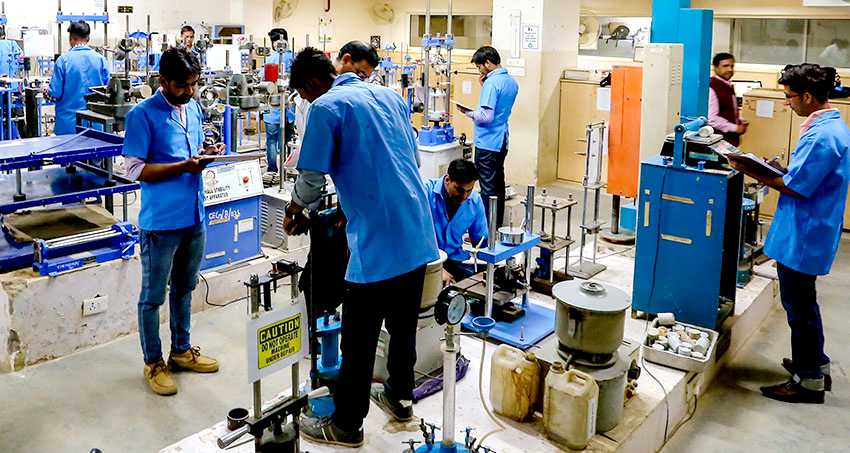
Advancements in equipment and methods within the construction material testing industry in Malaysia are revolutionizing the way quality assurance procedures are conducted. The introduction of non-destructive testing techniques such as ultrasonic testing, ground-penetrating radar, and infrared thermography has significantly enhanced the efficiency and accuracy of assessing material properties without causing damage. These methods allow for real-time data collection and analysis, providing immediate results to stakeholders.
Furthermore, the integration of automated testing equipment has streamlined the testing process, reducing human error and increasing productivity. Robotic arms and drones are now being used to collect samples and conduct tests in hard-to-reach or hazardous areas, ensuring the safety of personnel while maintaining precision in data collection.
Additionally, advancements in software technology have enabled the development of sophisticated modeling and simulation tools for predicting material behavior under various conditions. This predictive capability allows engineers to optimize material selection and design, ultimately leading to more durable and cost-effective construction projects. Overall, these advancements in equipment and methods are driving the construction material testing industry in Malaysia towards greater efficiency, accuracy, and innovation.
Challenges and Opportunities Ahead
Moving forward, the construction material testing industry in Malaysia faces a spectrum of challenges and opportunities that will shape its trajectory in the coming years. One of the key challenges is the need for skilled professionals who can navigate the evolving landscape of testing techniques and equipment. Training and upskilling programs will be vital to ensure that the industry can keep pace with advancements.
Additionally, ensuring the quality and reliability of testing results amidst increasing demands for efficiency and cost-effectiveness presents a significant challenge.
On the flip side, these challenges also bring forth opportunities for innovation and growth. The adoption of digital technologies such as automation, data analytics, and remote monitoring can enhance the efficiency and accuracy of material testing processes. Collaborations between industry stakeholders, research institutions, and government bodies can further drive innovation in this sector.
Embracing sustainable practices and green technologies also opens doors for new market segments and partnerships. By leveraging these opportunities, the construction material testing industry in Malaysia can position itself as a frontrunner in the region, setting new standards for quality and performance.
Conclusion
In conclusion, the future of construction material testing in Malaysia is characterized by the integration of technological innovations, sustainable practices, and a focus on quality assurance. With advancements in non-destructive testing methods, automated equipment, and data management systems, the industry is moving towards greater efficiency and accuracy.
Challenges and opportunities lie ahead in meeting global standards and reducing environmental impact. Malaysia is poised to witness a transformation in construction material testing towards a more sustainable and advanced approach.
…