Skin Disease in Cats: What Every Owner Should Know
Skin diseases can be a common concern for feline owners, impacting their pet’s well-being and comfort. Understanding the signs, symptoms https://starlight-vet.com/, and treatment options for these conditions is crucial for providing proper care.
In this article, we will explore the common skin diseases that affect cats, how to identify potential issues early on, methods for diagnosis, available treatment options, and preventive measures to help keep your feline companion’s skin healthy and happy.
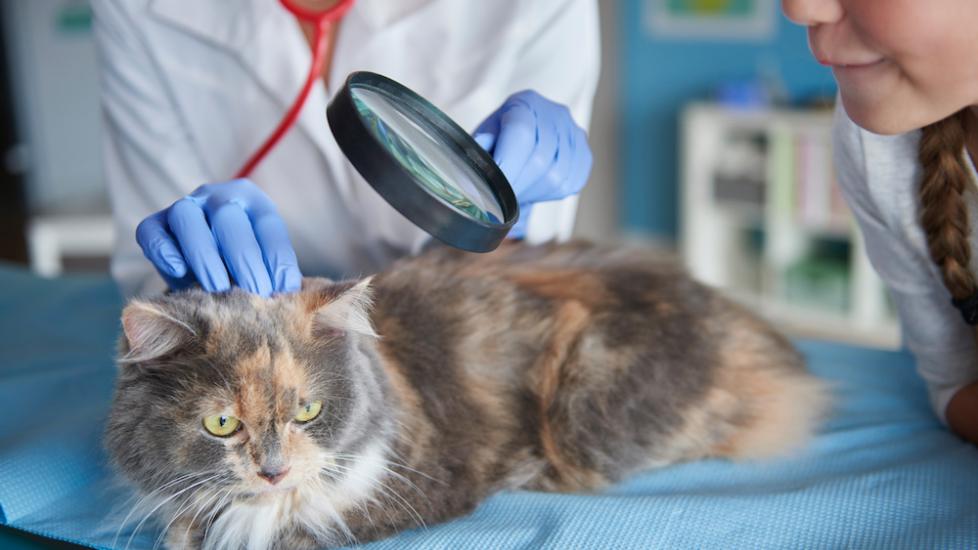
Common Skin Diseases in Cats
Common skin diseases in cats often manifest through various symptoms that require prompt veterinary attention. One prevalent condition seen in felines is dermatitis, which can stem from allergies, parasites, or infections. Symptoms may include redness, itching, and skin lesions, indicating the need for a thorough examination by a veterinarian.
Another common issue is feline acne, characterized by blackheads and pimples on the chin and lips. While generally not serious, feline acne can cause discomfort and may require treatment to prevent infection.
Furthermore, ringworm is a fungal infection that can affect a cat’s skin, hair, and nails. It is highly contagious and can spread to other pets and humans. Prompt diagnosis and treatment are essential to prevent its spread and alleviate discomfort for the affected cat.
Additionally, ear mites are a common skin disease found in cats, causing itching, inflammation, and dark discharge in the ears. Regular ear checks and prompt treatment are crucial to managing this condition effectively. Owners should remain vigilant for any signs of skin diseases in their cats and seek veterinary care promptly to ensure their pet’s health and well-being.
Signs and Symptoms to Watch For
The signs and symptoms to watch for in cats with skin diseases play a crucial role in early detection and management. As a cat owner, being vigilant and observant can help catch potential skin issues before they escalate.
One common sign to watch for is excessive scratching or licking in certain areas. This behavior may indicate irritation, pain, or discomfort on the skin. Similarly, if you notice bald patches, redness, swelling, or scabbing on your cat’s skin, it could be a sign of an underlying skin problem. Changes in the texture or color of the skin, such as flakiness, dryness, or a greasy appearance, should also raise concerns.
Moreover, keep an eye out for any unusual odors emanating from your cat’s skin, as this could be a sign of infection. Additionally, if your cat is displaying signs of agitation, restlessness, or seems more lethargic than usual, it could be indicative of an underlying skin issue causing discomfort or pain.
Regularly checking your cat’s skin for any abnormalities and promptly seeking veterinary advice can help ensure early diagnosis and appropriate treatment.
Diagnosing Skin Conditions in Cats
Upon noticing symptoms indicative of skin disease in cats, a veterinarian will conduct a thorough examination to accurately diagnose the specific skin condition affecting the feline patient. This examination may include a visual inspection of the skin, hair, and any affected areas, as well as a detailed history of the cat’s health and any recent changes in behavior or environment. In some cases, the veterinarian may need to perform additional tests such as skin scrapings, fungal cultures, blood work, or biopsies to confirm the diagnosis.
It is essential for the veterinarian to consider various factors during the diagnostic process, including the cat’s age, breed, medical history, and lifestyle. By carefully evaluating all these aspects, the veterinarian can determine the most appropriate treatment plan to address the specific skin condition effectively. Owners should communicate openly with the veterinarian, providing as much information as possible to assist in the accurate diagnosis and treatment of their cat’s skin disease.
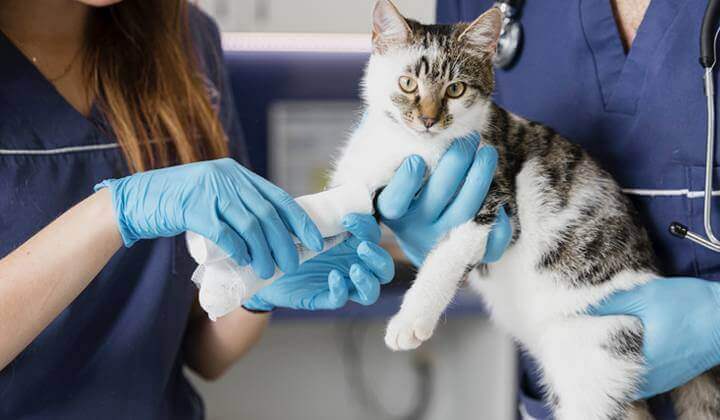
Treatment Options for Feline Skin Disease
Veterinarians frequently tailor treatment plans for feline skin disease based on the specific diagnosis and individual needs of the cat. Treatment options for feline skin disease can vary widely and may include topical medications, oral medications, dietary changes, and environmental modifications.
Topical medications such as medicated shampoos, sprays, or ointments are often used to treat localized skin conditions like dermatitis or hot spots. Oral medications like antibiotics, antifungals, or steroids may be prescribed for more severe or systemic skin issues such as infections or allergic reactions.
In cases where diet is suspected to play a role in the skin condition, switching to a hypoallergenic or prescription diet may be recommended. Additionally, environmental modifications such as reducing exposure to potential allergens or parasites can also aid in managing feline skin disease.
It is crucial for cat owners to follow the veterinarian’s instructions carefully and attend follow-up appointments to monitor the cat’s progress and adjust the treatment plan as needed.
Preventing Skin Issues in Cats
Implementing proper hygiene practices is essential in preventing skin issues in cats. Regular grooming, including brushing your cat’s fur to prevent matting and monitoring for any signs of skin irritation or parasites, can significantly reduce the risk of skin problems. Additionally, maintaining a clean living environment for your feline friend, including regular cleaning of their bedding, litter box, and living spaces, can help prevent skin infections and infestations.
Another crucial aspect of preventing skin problems in cats is ensuring they have a balanced diet rich in essential nutrients. A well-balanced diet plays a significant role in maintaining healthy skin and a shiny coat. Make sure to provide your cat with high-quality food that meets their nutritional needs and consult with your veterinarian if you have any concerns about their diet.
Lastly, regular veterinary check-ups are vital for preventing skin issues in cats. Your vet can perform skin evaluations, recommend preventive measures, and address any potential skin problems early on. By incorporating these practices into your cat’s care routine, you can help keep their skin healthy and free from issues.
Conclusion
In conclusion, it is important for cat owners to be aware of common skin diseases in cats, recognize signs and symptoms, and seek proper diagnosis and treatment from a veterinarian.
By taking preventive measures such as regular grooming, parasite control, and maintaining a healthy diet, owners can help minimize the risk of skin issues in their feline companions.
Early detection and management of skin diseases can improve the overall health and well-being of cats.
…